
How to Boost Your AI Search Rankings with Powerful Brand Mentions

AI search has changed the SEO game forever. Whether you’re focusing on Google’s AI Overviews, ChatGPT search, Perplexity, or Gemini-powered results, one thing is clear:
AI now ranks and recommends brands that people actively talk about.
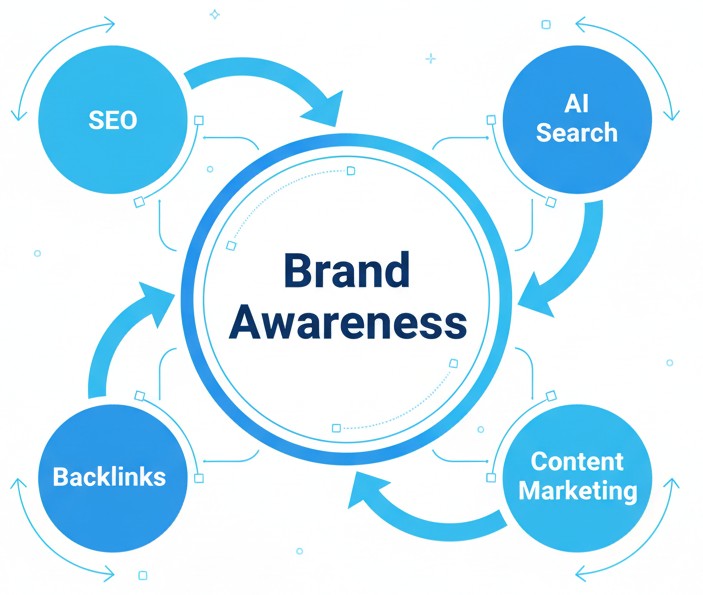
This makes brand mentions a critical ranking factor—sometimes even more influential than backlinks.
In this guide, you’ll learn how to cultivate high-quality brand mentions that increase trust, authority, and visibility across AI-driven search platforms.
1. Start With The Basics: Make Your Brand Worth Talking About
Most marketers obsess over backlinks. But the truth is:
You don’t get mentions unless your website is genuinely valuable.
Your site must have:
- Unique content
- Clear differentiators
- Strong user experience
- Real expertise
If your site doesn’t stand out, no amount of link-building will save you.
User behavior signals have influenced search visibility since Google’s early Navboost updates—recently confirmed during U.S. antitrust cases. And AI search tools are now amplifying brands that get recommended on trusted websites.
So before chasing mentions, first make your website mention-worthy.
2. Spread the Word: Tell People What Makes You Unique
AI search ranks brands that other websites mention—whether through links or plain text citations.
Your goal should be:
build top-of-mind awareness
create “everywhere visibility”
This happens when:
- You reach out to niche communities
- Websites list you in their resources
- People recommend you in content
- Industry media covers your brand
These conversations create digital signals of trust that AI systems pick up on.
3. Smart Way to Track Brand Mentions (Beyond Backlink Tools)
Backlink tools are useful but often cluttered with spammy sites. They also don’t capture real discussions about you.
Use Google search operators to find deeper brand mentions.
A. Find Bookmark/Resource Pages
Search:
example.com site:.com "bookmarks" -site:example.com
example.com site:.com "resources" -site:example.com
Then repeat with TLD variations:
site:.net
site:.org
site:.edu
site:.ai
These reveal hidden opportunities on:
- Lists
- Directories
- Resource pages
- Industry hubs
Even unlinked mentions matter.
B. Find Brand Mentions by Name
Search your competitor’s brand:
Competitor Brand Name site:.org
Competitor Brand Name site:.edu
Competitor Brand Name site:.io
This exposes where your competitors are being talked about—and shows you where you can be featured too.
4. Leverage Sponsored Articles (Strategically)
Sponsored content is still indexed by search engines and appears in AI-generated results like:
- Google AI Overviews
- ChatGPT answers
- Perplexity citations
Important rules:
1. Use nofollow links
2. Include “sponsored” disclaimers
3. Follow Google & FTC guidelines
Avoid cheap, low-quality blogs. Focus on authoritative, niche-relevant platforms.
How to Find Sponsored Post Opportunities
Search for:
Your Keyword site:.com "sponsored article"
Your Keyword site:.org "sponsored post"
Your Keyword site:.net "sponsored article"
Your Keyword site:.edu "sponsored post"
Use quotes to force exact matches.
5. Zero-Internet Presence Brand Building (Untapped Goldmine)
Not everything happens online.
Huge opportunities exist in:
- Industry newsletters
- Association magazines
- B2B organization publications
- PDF magazines distributed to members
They don’t give backlinks—but they give something AI can’t ignore:
Authority + reputation
These publications often reach high-intent audiences, perfect for B2B and professional niches.
How to Find These Opportunities
Use this search:
your keyword filetype:pdf site:.org newsletter
your keyword filetype:pdf site:.com newsletter
PDF newsletters often get indexed, shared, and referenced—leading to brand mentions across the web.
6. Segment Your Search Intelligently
To uncover hidden opportunities, segment by:
A. Site type (blogs, forums, shopping, industry sites)
Example:
car injury lawyer site:.com
B. Audience relevance
Not just keyword match—audience match.
- A car brand audience might be a perfect match for an injury lawyer.
- A tech blog audience might align with SaaS product buyers.
C. Quality & authority
Ignore SEO metrics.
Use common sense:
- Is it a trusted site?
- Does it have real readers?
- Is it respected in your niche?
7. Key Takeaways
Here’s what matters in today’s AI-driven search landscape:
Be worth mentioning
Tell people about your brand everywhere—online & offline
Identify and leverage opportunities your competitors use
Build relevance through high-quality mentions
Focus on authority, trust, and audience match
Modern AI search rewards brands that people recommend, trust, and talk about—not just those with backlinks.